
Learning from incident · DROPS Asia chapter
The hammer head that came off
After thirteen years in service, on an ordinary day on the drill floor of a drilling rig, a sledgehammer head came off its shaft and fell about three metres to the deck.
Nobody was under it. The shaft stayed on its tether. The head did not.
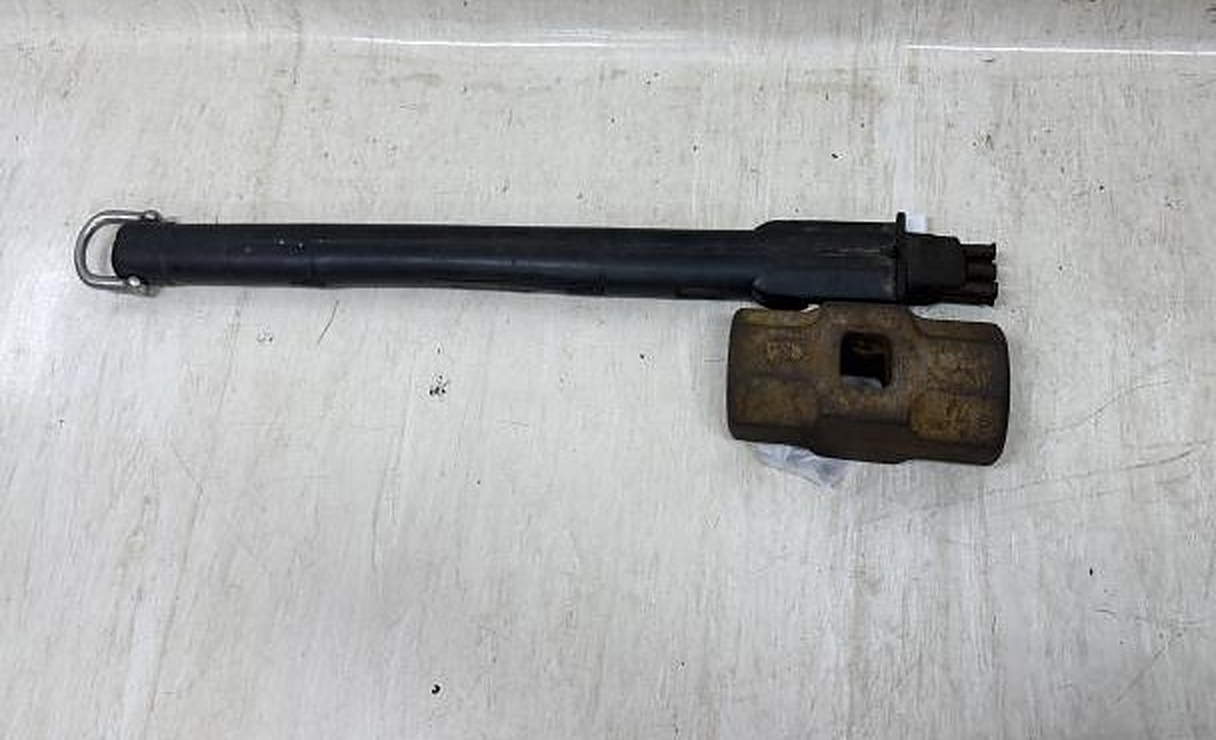
- the head, of a fourteen-pound hammer
- 6.2 kg
- fall to the deck
- 3 m
- in service when it failed
- 13 years
- classed as high potential
- 0 hurt
Nobody was hurt. We are sharing this so it stays that way.
The tool was a purpose-designed hammer for work at height, a composite type to reduce the likelihood of the hammer head parting from the shaft. Hammer heads coming off wooden and fibreglass shafts were a known cause of dropped objects. That is why the DROPS guidelines call for a steel shaft and a head locking mechanism on every hammer used at height.
When it failed, the hammer was still in service, in the condition the photograph shows. The owner’s own review found that poor maintenance and the tool’s age were the primary cause.
On the DROPS calculator, a mass like this becomes a potential fatality from a fall of just over two metres. This one fell three.
Watch · 7 min 50
The film
Interactive 3D
Take the hammer apart
Its lock sits inside the head, where it cannot be seen. This is the same hammer as in the film, for you to open yourself. The rod heads bear on the plate, and the plate bears on the shoulder. That interlock is the whole of what holds the head on.
- Parts. Tap any part to see what it does.
- Take apart. Remove it one part at a time.
- Cut open. Cut the head away to see the lock.
Eight real parts. Tap one on the hammer, or choose it from the list, to see what it does and how to check it.
The 3D hammer is a reconstruction from public documents and the incident photographs. Nobody has sectioned one of these heads: the inside is inferred, and no internal dimension has been measured.
The likely sequence
How it failed
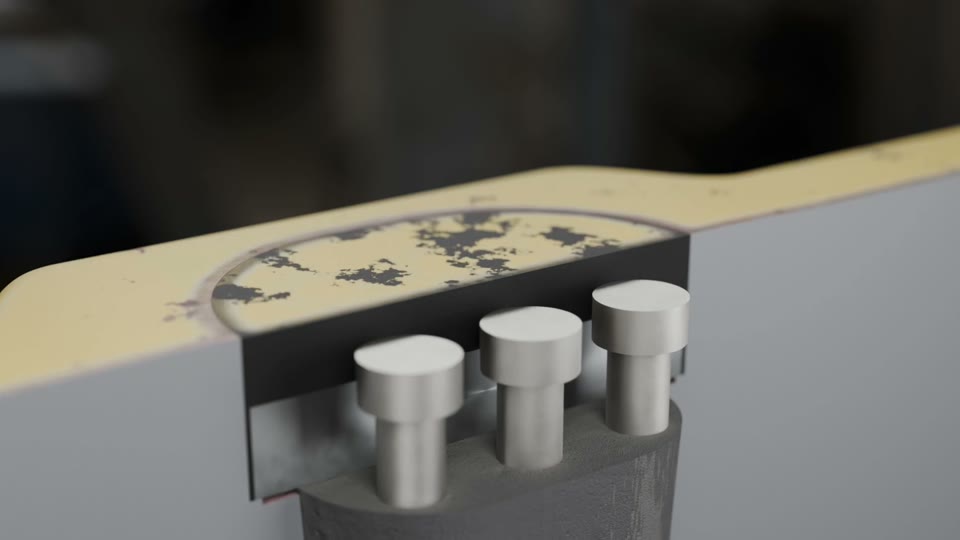
The internal locking plate failed through excessive corrosion: prolonged use and exposure to worksite conditions degraded the cover in the head and let moisture in.
 1
The primer and paint wear off
Slowly, all over the head. That is ordinary wear and tear. It is the first sign of wear, not yet a failure.
 2
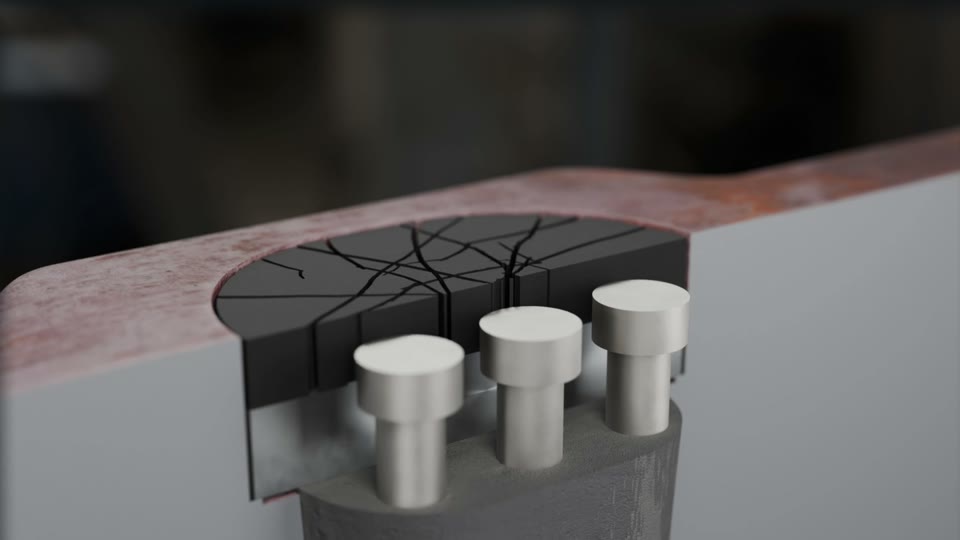
The cover degrades
No longer protected, the cover underneath degrades. Over time it can crack, shrink back from the wall of the recess, or break away.
 3
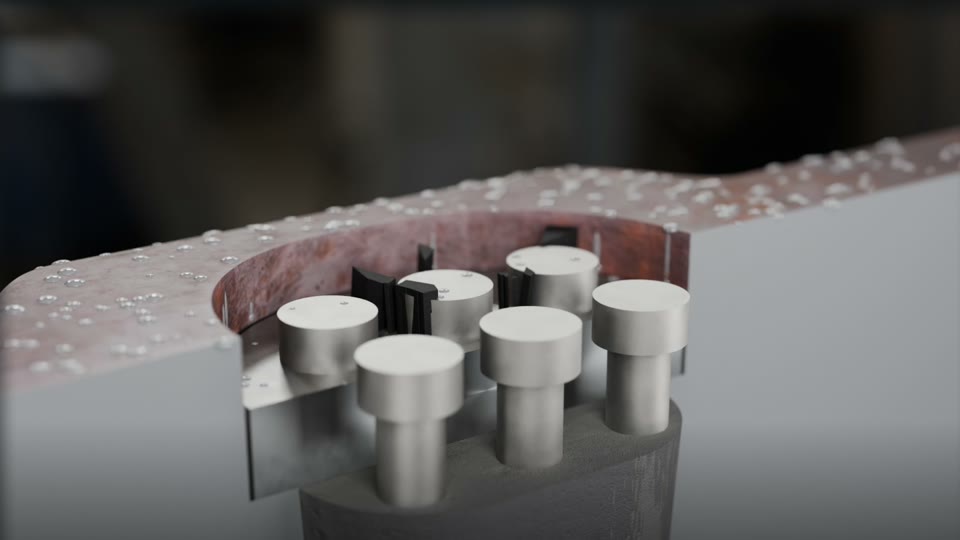
Moisture gets in
Inside, out of sight
Rain, spray, wash-down, or just damp air. It runs into the gap around the plate and settles in the crevice between the plate, the rod heads and the shoulder.
 4
Rust eats the rim
Inside, out of sight
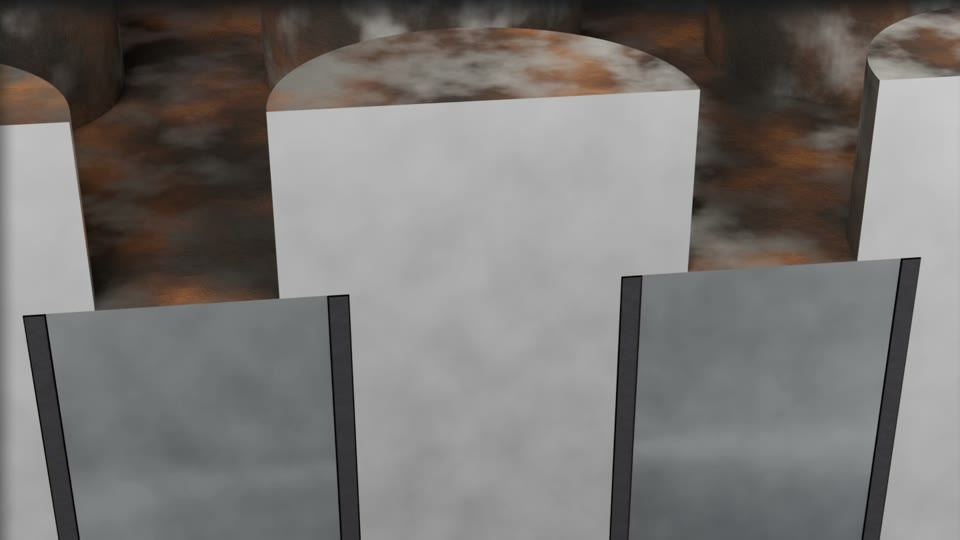
The steel corrodes worst where each rod passes through the plate. Rust shrinks the rod head and widens the hole, so the rim of plate under each rod head narrows from both sides.
The head comes off
What gives way is the narrow rim of plate under each rod head. That rim is all that holds the hammer head to its shaft. When nothing is left, the rod heads pull through the plate and the hammer head comes off. Nothing in the feel of the tool warns you. It can keep working normally right up to the last blow.
Before every use
The check: three steps, under a minute
Does this apply to you? If you use these hammers, it does. What matters is whether the hammer shows any sign of failure. Typically there is no recommended service life on these tools. The maker’s guidance is to clean and inspect the hammer before and after use, and to take it out of service on what the inspection finds.
These steps were put together by the DROPS Asia chapter, from what this incident showed. They add to the maker’s guidance; they do not replace it.
The check cannot see the lock itself. It looks for the signs that show on the outside when the lock is at risk. Finding none does not prove the lock is sound. It means no warning sign shows yet, so check again before every use.
If you find any one sign
Out of service
Immediately. Tag it and quarantine it.
When in any doubt, take it out of service and seek advice from your technical authority or DROPS Focal Point.
- 1
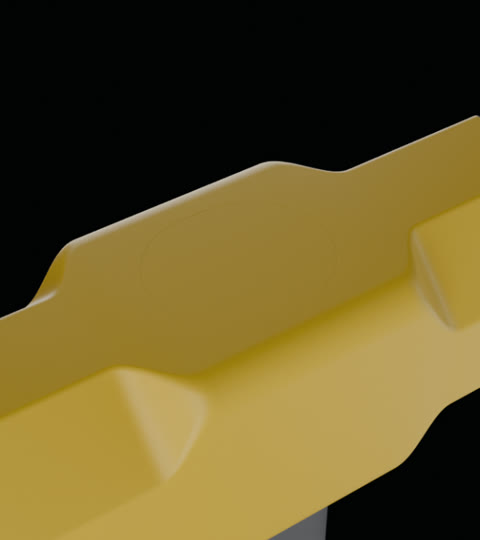
The top face
No warning signs 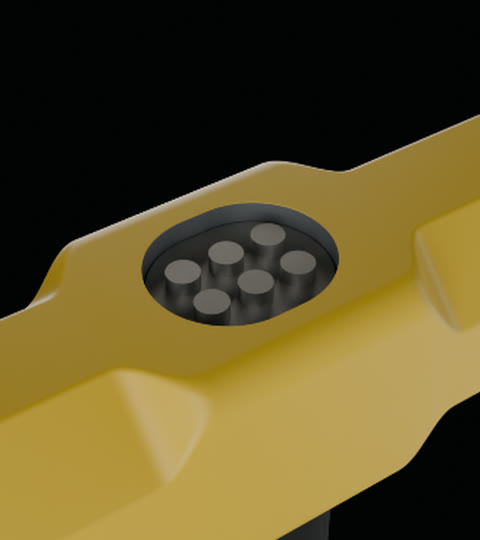
Recess open Wipe it clean and look at it in good light.
No warning signs
Level and unbroken. The cover fills the recess, and no rod end sticks out above it. Paint worn off is the start of wear, not a failure, so look closer every time.
Out of service if
- the recess is open or partly empty
- a rod end sticks out above the cover
- the cover is cracked, lifted or shrunk back
- there is rust on or around the rod ends
- 2
The head and the shaft
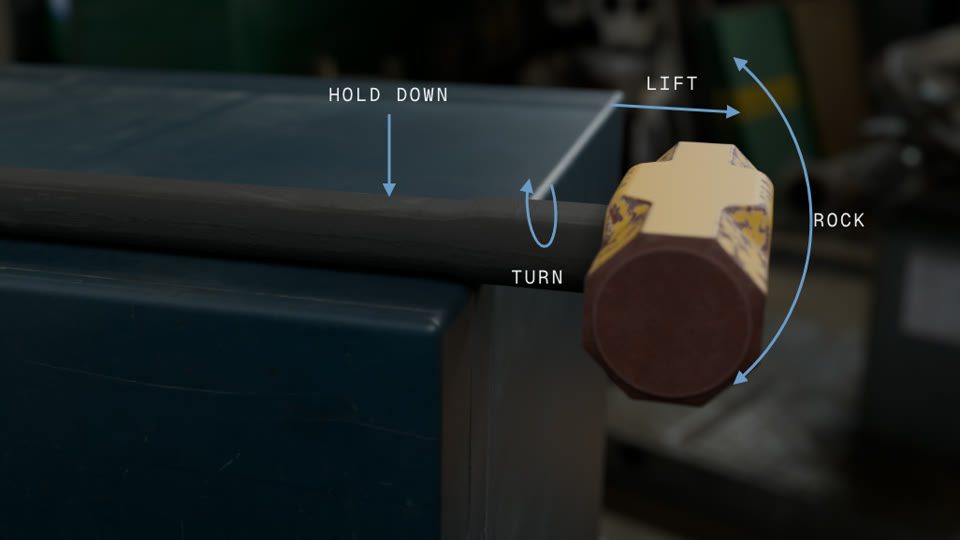
Hold the shaft, try the head Hold the shaft still. Clamp it in a vice, or lay it on the toolbox with the head out over the edge, and press the shaft down. Then try to move the head.
No warning signs
No movement at all.
Out of service if
- you feel any movement: a rock, turn or lift, however small. If there is movement, it is likely the interlock has failed
- 3
The rest of the tool
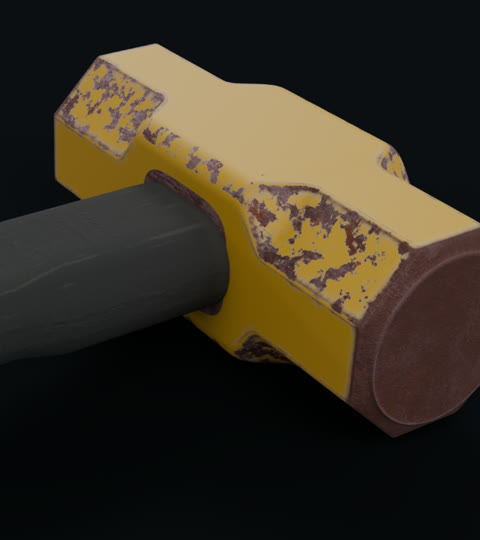
Rubber at the head 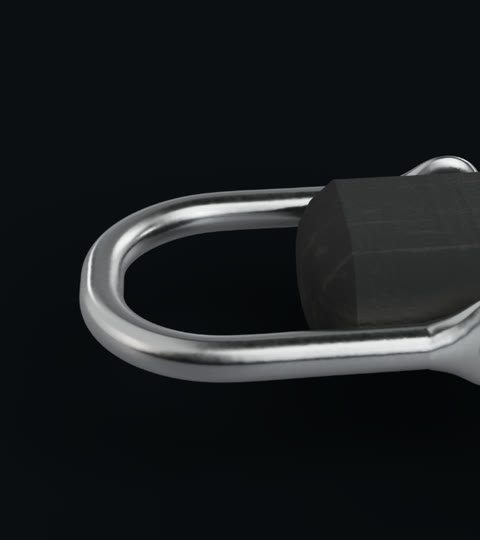
Attachment point Look at the shaft from the head to the butt, the attachment point, and the tool’s ID and record.
No warning signs
Rubber whole and in place, attachment point sound, a legible ID and a record of the tool’s history.
Out of service if
- a rod is exposed, or the rubber has come away at the head or the butt
- the shaft is split, cut, pitted, bulging or torn
- the attachment point is bent, cracked, worn or corroded
- there is no legible ID, no record of its history, or it has been in contact with solvents, acids, cement or thread compound
Tell the chapter what you find. If your check takes a hammer out of service, the DROPS Asia chapter would like to hear about it.
secretary@drops.asiaKeep every other barrier in place as well
The drop zone
Nobody was under it. That is why nobody was hurt.
The tether
It held the shaft. It cannot hold the head.
The check
Every time.